Arrive with a plan
Know where you are heading, whether the site can accommodate your vehicle and when you can arrive. An agreed stopping place makes the end of the driving day simpler.
 ← Back to the experienceBecome a host ↗
02 / THE NOMADSTAY WAY
Discover what to look for in a tourism hub, from everyday essentials to a genuine connection with the local community.
Explore the planned NomadStay experience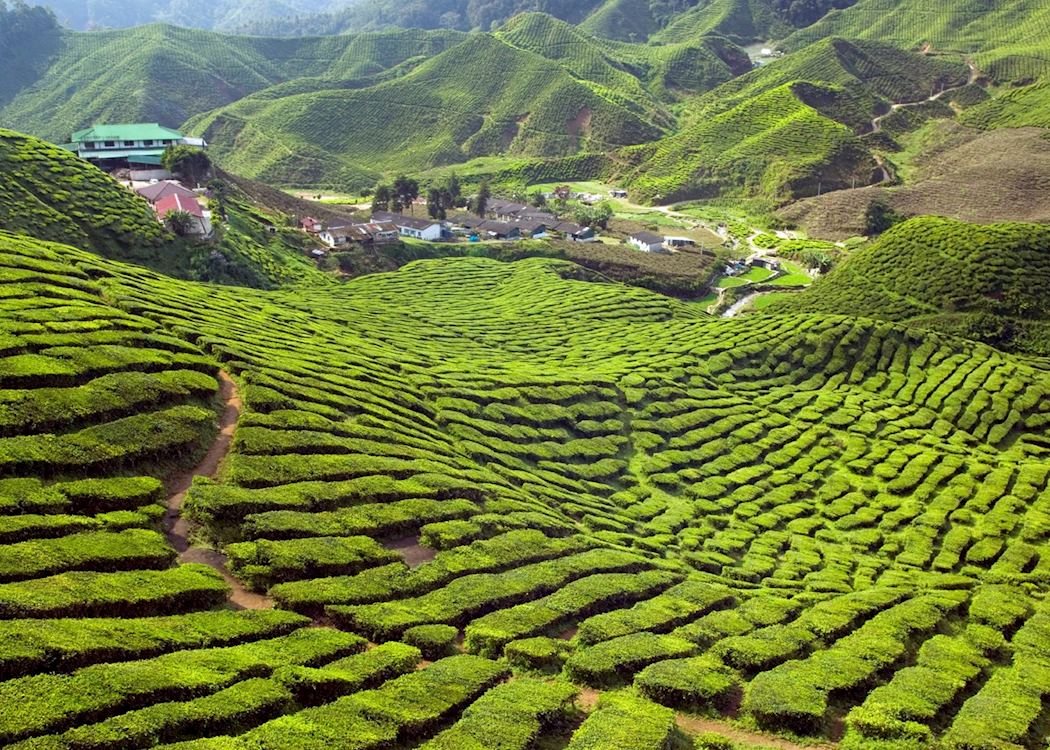
A PLACE TO RECHARGE
A tourism hub is intended to connect a practical overnight stop with the surrounding community. It can give travellers a place to replenish essentials and discover local food, guides and experiences.
NomadStay’s proposed hub network includes opportunities for farms, villages, coastal communities and tourism properties. The aim is to make stops easier to plan while directing more visitor spending towards local operators.
Know where you are heading, whether the site can accommodate your vehicle and when you can arrive. An agreed stopping place makes the end of the driving day simpler.
Refill water, recharge where hookups are available and use appropriate sanitation facilities. Choose each stop around what your vehicle and group actually need.
Leave time for a nearby meal, a locally guided activity or a conversation with your host. A hub can be the beginning of a local experience, rather than just the end of a drive.
FACILITIES THAT MATTER
Confirm the number of pitches, vehicle length and height limits, surface conditions, turning space and access road. Ask about level parking and any arrival or departure restrictions.
Ask where water is supplied, whether it is suitable for drinking or only other uses, and whether refilling is included. Bring any connection equipment the operator requires.
Confirm whether a hookup is available at your pitch, the connection requirements and any usage limits. Ask about separate charges and the equipment you need to bring.
Check opening hours, accessibility and cleaning arrangements. Ask specifically about designated wastewater and toilet-waste disposal; do not assume ordinary drains are suitable.
Confirm whether Wi-Fi reaches the parking area and whether usage is limited. Where connectivity matters to your plans, ask about mobile coverage too.
Look for the features important to your group, such as lighting, shade, food options or nearby activities. Ask about pets, quiet hours, accessibility and shared areas before arriving.
DIFFERENT STOPS, DIFFERENT RHYTHMS
Build in time for the shoreline and local food. Ask about designated parking, weather exposure and any restrictions affecting access or outdoor equipment.
Consider a slower stay with locally organised activities. Respect working areas, community routines and the host’s guidance on where visitors may go.
Plan a comfortable arrival before dark and check whether access roads suit the vehicle. Confirm facilities rather than assuming a scenic location offers all the services you need.
A property-based stop may offer access to additional facilities. Ask which amenities are included in the hub fee and which need separate reservations or payment.
Langkawi, Penang and Cameron Highlands are the proposed pilot destinations. This guide does not represent a live directory of operating or approved hubs.
FROM ARRIVAL TO DEPARTURE
Confirm your pitch, arrival window, access instructions, services and total fee. Share the vehicle dimensions if the operator needs them to allocate a space.
Follow the host’s parking and facility instructions. Use designated connections and disposal points, observe quiet hours and keep shared spaces tidy.
Settle any agreed extras, disconnect equipment safely and leave the pitch clean. Check that all belongings and outdoor equipment are back in the vehicle.
0 of 5 checked
BEFORE YOU STOP
The business plan uses RM 50–80 per night as an indicative hub charge. Actual rates, inclusions and any extra service charges must be confirmed with future operators.
Do not assume a scenic or open space permits overnight stays. Use a location where the operator or relevant land authority has confirmed permission, and follow any applicable restrictions.
Yes. The hub registration form accepts property details, location, pitch capacity, access information, facilities, photos and a proposed rate. Submission starts an application; it is not certification or permission to operate.
TAKE THE NEXT STEP
Introduce your property, community or tourism business through the hub operator registration.